
Roofing Contractor Selection Tips: Choosing the Right Roofing Contractor

Updated: Aug 14
Texas does not license roofing contractors. Anyone with a truck and a ladder can print business cards, which is why picking one here is harder than in most states. The filter that actually works is boring: a physical local address you can drive to, a written scope before you sign anything, and references you pick up the phone and call. Here is what to look for, and what to walk away from.
Roofing Contractor Selection Tips: What to Look For
Choosing a roofing contractor is about more than just price. We need someone reliable, skilled, and honest. Here are some key tips to keep in mind:
Local & Established Presence: Look for a company with a strong local presence and experience working in your area. Contractors familiar with North Texas understand local weather patterns, building codes, and common storm-related damage.
Experience With Insurance Claims: If your roof damage is insurance-related, choose a contractor who understands the claims process. Experience reviewing scopes of loss, identifying missed items, and handling supplements can make a significant difference in your outcome.
Ask for References: A trustworthy roofer will gladly share past customer contacts. Call them and ask about their experience.
Written Contracts: Always get a detailed contract. It should include the scope of work, materials, timeline, and payment terms.
These tips help you avoid common pitfalls and find a contractor who delivers quality work.

How Can You Tell a Good Roofer?
Knowing how to spot a good roofer can save you time and money. Here are some signs to watch for:
Clear Communication: They answer your questions patiently and explain the process clearly.
Professional Appearance: A neat, organized team shows pride in their work.
Quality Materials: They use reputable brands and offer warranties on materials and labor.
Safety Practices: Proper safety gear and procedures protect workers and your property.
Local Reputation: Positive reviews and community presence are strong indicators of reliability.
If a contractor rushes you or avoids details, that’s a red flag. Trust your instincts and choose someone who respects your home and your time.
Why Local Experience Makes a Difference
North Texas has unique weather challenges - from hot summers to occasional storms. A roofer familiar with this climate knows which materials hold up best. They also understand local building codes and permit requirements. This knowledge helps avoid delays and costly mistakes.
Local contractors often have relationships with suppliers and inspectors. That can speed up your project and ensure everything meets standards. Plus, if you need repairs later, a local roofer is easier to reach.
What to Expect During the Roofing Process
Knowing what happens during a roofing project helps you stay informed and prepared. Here’s a simple breakdown:
Step 1 – Free Damage Assessment
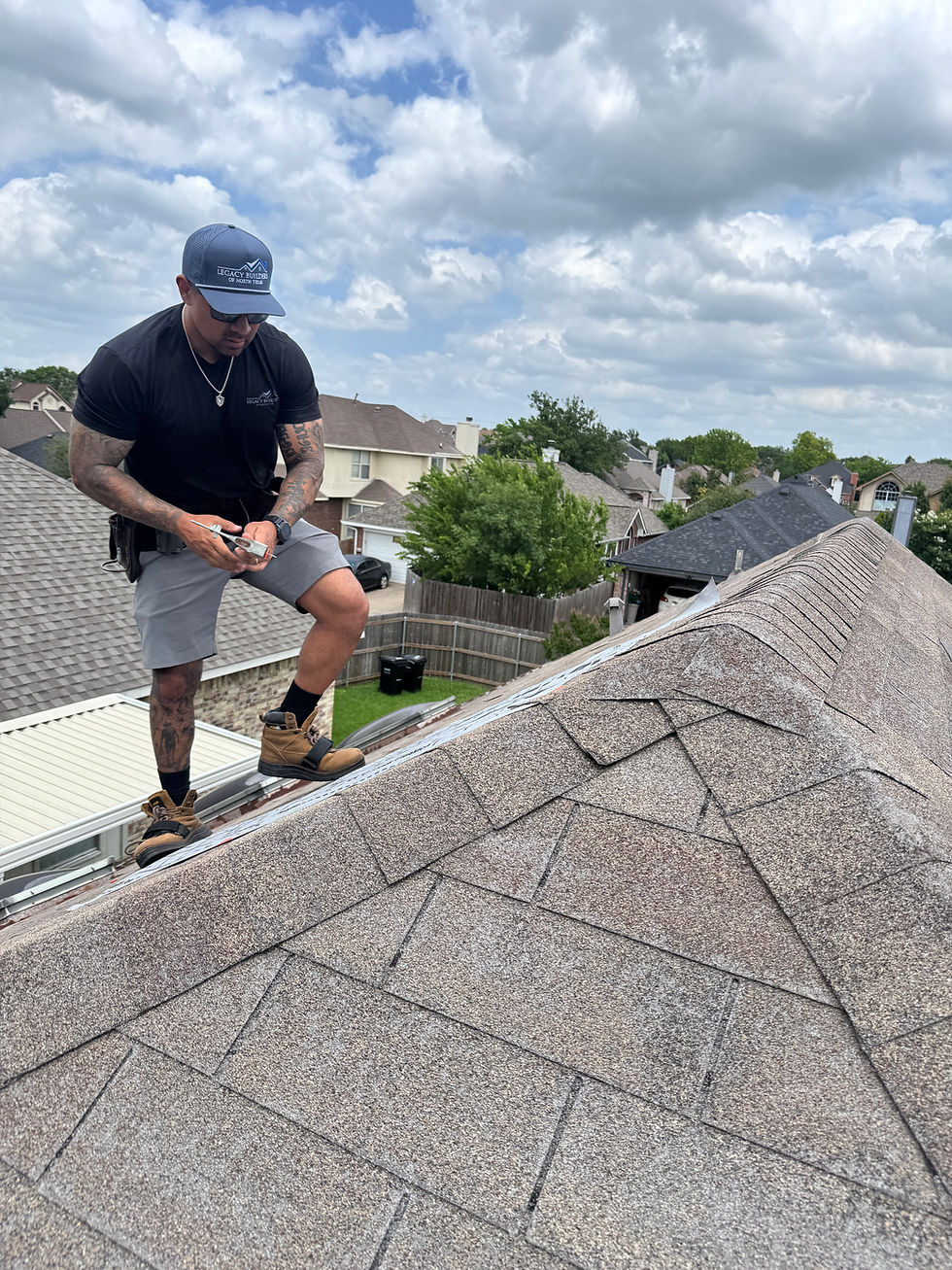
We perform a detailed inspection of your roof, gutters, vents, and exterior to identify storm-related damage. Our team documents everything with photos and measurements.
If there’s no legitimate damage, we’ll tell you.
Step 2 – Claim Guidance
If damage is present, we help you determine whether filing a claim makes sense. We’ll explain how the process works, what timelines to expect, and how deductibles typically apply.
Step 3 – Adjuster Meeting
When the insurance adjuster visits your property, we meet them onsite.
Having an experienced contractor present helps ensure damage is properly identified and included. Many important items can be overlooked without representation.
Step 4 – Review of Scope of Loss
After the adjuster submits their report, your insurance carrier will provide a document called the Scope of Loss. We review it line by line.
If something is missing or underpaid, we submit supplements and documentation on your behalf.
Step 5 – Material & Color Selection
Once approvals are in place, you’ll select shingle colors, ventilation options, and any upgrades or improvements you may want while the project is underway.
We’ll walk you through the best options for your home and budget.
Step 6 – Schedule & Pre-Construction Prep
Materials are ordered, permits are pulled if required, and we coordinate a clear installation date with you.
You’ll know exactly what to expect before work begins.
Step 7 – Roof Installation Day
Our crews protect landscaping and property, remove old roofing materials, inspect the decking, and install your new roofing system according to manufacturer specifications and local building codes.
Step 8 – Cleanup & Magnetic Sweep
We perform a full cleanup of the job site and use magnetic tools to collect nails and debris.
Your property should look better than when we arrived.
Step 9 – Final Walkthrough
We review the completed project with you, answer any questions.
Understanding these steps helps you ask the right questions and feel confident throughout the project.

The Bottom Line
The contractor matters more than the shingle. Texas does not license roofers, so the burden of vetting falls on you. Ask for a physical address you can drive to, a written scope before you sign, and the names of the crew who will actually be on your roof. A contractor who answers those three plainly is usually the one still answering the phone when something goes wrong two years later.
Questions We Get Asked
Should I just take the lowest bid?
Not before you know why it is the lowest. Bids differ because of decking allowances, underlayment, ventilation, and whether permits are included. Ask each contractor to price the same scope, then compare line by line. A number that lands thousands under everyone else usually means something was left out, and you pay for it later as a change order.
What needs to be in the contract before I sign?
Scope of work, materials by brand and product line, ventilation, who pulls the permit, the payment schedule, and what happens if rotten decking turns up after tear-off. Texas does not license roofing contractors, so your contract is the protection you have. If a company will not put the scope in writing before you sign, you already have your answer.
How do I check that a roofer is actually local?
Ask for the physical address and look it up. A shop, a yard, or an office is a good sign. A mailbox store or an out-of-state address is not. Check how long the business has been registered and whether reviews mention the same crew names over several years. Storm-chasing outfits are long gone by the time your warranty matters.
Related Reading
The specific pitches to walk away from, and why they work.
Our process from first inspection through final walkthrough.
What your contractor should be doing at each stage of the claim.
Get a Documented Roof Report
Every slope photographed and measured. A written condition assessment of shingles, flashing, gutters and decking — plus how many years your roof likely has left. You keep the report whether you hire us or not.
Call or text (469) 491-9544 to schedule.
Martin Garcia III — Owner, Legacy Builders of North Texas
Martin is a working firefighter and the founder of Legacy Builders of North Texas, a family-run roofing and exterior contractor based in Pilot Point. He has walked North Texas homeowners through hundreds of storm claims and adjuster meetings, and personally inspects the majority of the roofs the company writes.
Built to Last. Rooted in Legacy.
Serving Pilot Point, Aubrey, Denton, Celina, Prosper, Little Elm, Carrollton and the greater North Texas area. Last reviewed: August 2026


Comments