
Essential Steps to Take After a Hail Storm in North Texas for Homeowners

Updated: Jul 31
Photograph the soft metal first. Gutters, downspouts, window screens, the fins on your AC condenser — that's where hail leaves dents you can actually see from the ground, and those dents are what tell an adjuster the storm was real. The roof matters more, but it's the hardest thing for a homeowner to judge and the easiest way to get hurt trying. Here is the order to work through it in.
You have more time than a door-knocker will tell you. Texas law gives homeowners two years for most insurance claims. Your policy will ask for prompt notice, so don't sit on it — but nobody needs a signature from you today.

Inspect Your Property Safely
After the storm passes, the first priority is to check your home for damage. Start with a visual inspection from the ground. Look for:
Dents or cracks on your roof shingles
Broken or cracked windows
Damaged gutters and downspouts
Dents on siding, vents, or outdoor AC units
Avoid climbing on the roof yourself unless you are experienced and have proper safety equipment. Hail damage can make surfaces slippery and unstable. Instead, use binoculars or take photos from the ground to document visible damage.
Schedule a Professional Roof Inspection
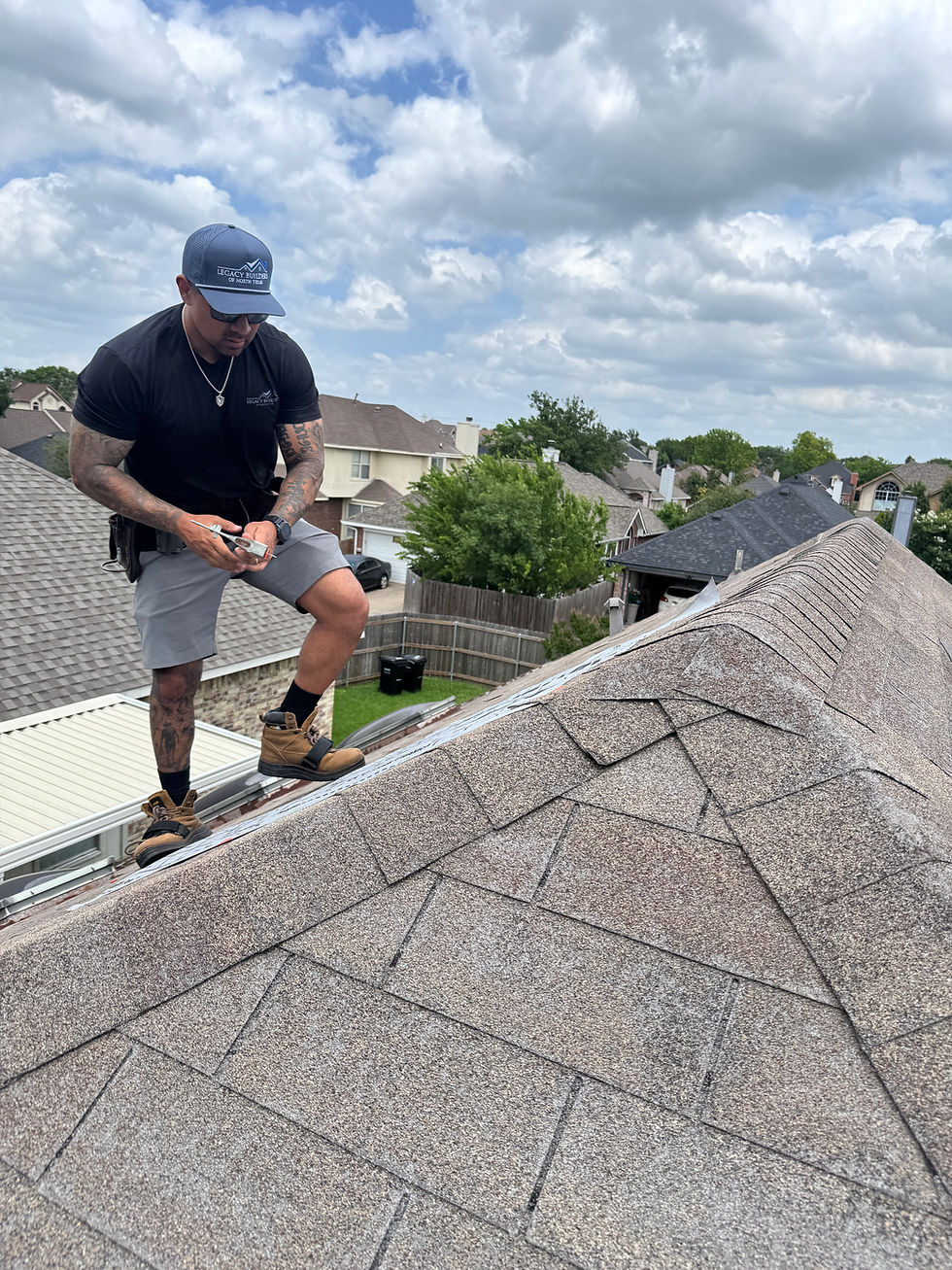
Hail damage is not always obvious. Small cracks or granule loss can lead to leaks and structural problems over time. A professional roofing contractor in Carrollton, TX, can perform a thorough inspection to identify hidden damage and recommend repairs.
Many roofing companies offer free storm inspections after major hail events. Taking advantage of this service ensures you get an expert opinion without upfront costs. The inspection report can also be submitted to your insurance company to support your claim.
Document the Damage Thoroughly
Insurance companies require clear, detailed evidence of hail damage before approving a claim. Make sure you personally document any visible issues — but just as importantly, ensure your roofing contractor conducts a thorough inspection and properly documents all storm-related damage.
A professional inspection should include:
Roof shingles with cracks, bruising, missing granules, or dents
Damaged gutters, siding, flashing, and soft metals
Dented vents, ridge caps, or exhaust covers
Broken windows or skylights
Any interior water stains or active leaks
Your contractor should take wide-angle photos and close-ups, mark test squares if needed, and provide a detailed inspection report that can be submitted to your insurance company. Proper documentation strengthens your claim, supports supplement requests if necessary, and ensures nothing is overlooked.
Avoid Temporary Repairs Without Guidance
It might be tempting to patch up visible damage yourself, but temporary fixes can sometimes void insurance coverage or cause further issues. For example, using tarps or sealants incorrectly can trap moisture or hide damage from adjusters.
Wait for advice from your roofing professional or insurance adjuster before making repairs. If temporary measures are necessary to prevent water intrusion, document them carefully with photos and receipts.
Understand Your Insurance Claim Options
Hail damage roof claims often cover:
Roof repair or replacement
Window and siding repairs
Interior damage caused by leaks
Your deductible and coverage limits will affect your out-of-pocket costs. Ask your insurer about:
Whether your policy covers full roof replacement or only repairs
How depreciation affects your claim payout
The timeline for claim approval and payment
If you disagree with the insurance adjuster’s assessment, a second opinion from a trusted roofing contractor can help.
Prepare for Roof Repairs or Replacement
Once your claim is approved, schedule repairs promptly. Delaying roof work can lead to water intrusion, mold growth, and increased repair costs. A reputable roofing contractor shall review the insurance scope of work in detail and provide assistance identifying any missing or overlooked line items. They will ensure all storm-related damage, code requirements, and necessary materials are properly accounted for before work begins.
A professional contractor will also:
Use materials rated for hail resistance
Follow all local building codes and insurance requirements
Coordinate timelines clearly and communicate throughout the process
In North Texas, upgrading to impact-resistant shingles can also help reduce future storm damage and may qualify you for insurance discounts.
Stay Prepared for Future Storms
Hail storms are common in North Texas. Protect your home by:
Regularly inspecting your roof and siding
Cleaning gutters and downspouts
Trimming overhanging tree branches
Considering impact-resistant roofing materials
Having a trusted roofing contractor on call can make emergency repairs faster and easier.
The Bottom Line
Document everything before you touch anything. Photograph the soft metal — gutters, downspouts, screens, AC fins — because that's where hail shows up visibly. Don't climb on a wet roof, don't make permanent repairs before an adjuster sees it, and don't sign anything on your doorstep. Then get a professional on the roof who hands you the photos.
Questions We Get Asked
What should I do in the first 48 hours after a hailstorm?
Photograph everything from the ground, including the date on your phone. Check gutters, downspouts, window screens and AC fins for dents. Note the storm date. Then schedule an inspection — but you don't have to file a claim to have someone look at it.
Should I put a tarp on my roof myself?
Only if water is actively getting in, and only if you can do it safely from a ladder rather than on the roof. Tarps installed wrong trap moisture or cover damage an adjuster needs to see. If you do tarp it, photograph everything first and keep the receipt.
A roofer knocked on my door the day after the storm. Is that a red flag?
Not automatically — plenty of legitimate companies canvass after storms. The red flags are pressure to sign immediately, an offer to cover your deductible, and vagueness about where they're based. Ask where their physical office is and who will actually be on your roof.
Related Reading
Why hail bruising is invisible from the ground.
Who shows up in your driveway after a hailstorm, and how to filter them.
How we handle claims from inspection through final payment.
Get a Documented Roof Report
Every slope photographed and measured. A written condition assessment of shingles, flashing, gutters and decking — plus how many years your roof likely has left. You keep the report whether you hire us or not.
Call or text (469) 491-9544 to schedule.
Martin Garcia III — Owner, Legacy Builders of North Texas
Martin is a working firefighter and the founder of Legacy Builders of North Texas, a family-run roofing and exterior contractor based in Pilot Point. He has walked North Texas homeowners through hundreds of storm claims and adjuster meetings, and personally inspects the majority of the roofs the company writes.
Built to Last. Rooted in Legacy.
Serving Pilot Point, Aubrey, Denton, Celina, Prosper, Little Elm, Carrollton and the greater North Texas area. Last reviewed: July 2026


Comments